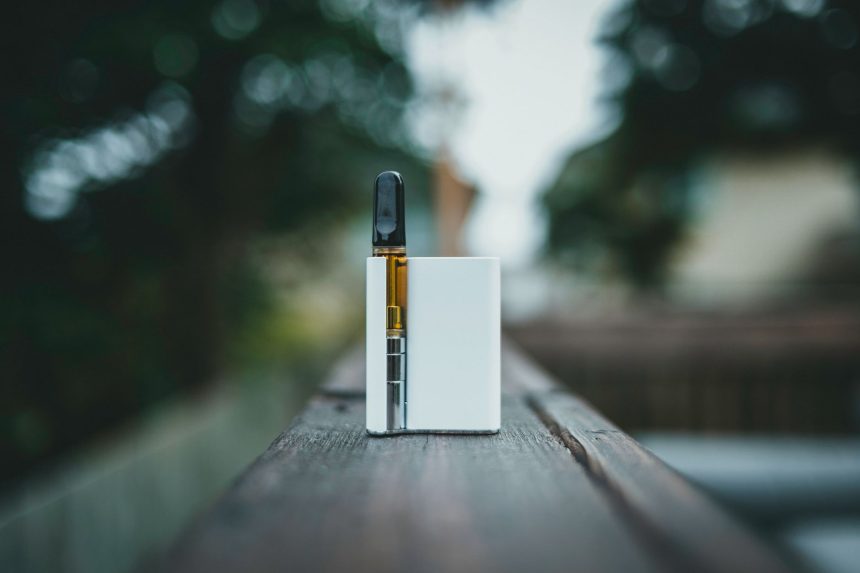
Walk into any Austin shop, and you will see shelves of disposables, 510-thread cartridges, and batteries with settings you may not have used before. Labels mention full spectrum, live resin, or rosin, and some list terpenes like myrcene or limonene. Because you inhale this product, a quick look at the packaging isn’t enough. To choose confidently, focus on what the label actually discloses, verify batch testing with a certificate of analysis, match oil thickness to your device, and store the cartridge so heat and handling don’t damage it. The result is fewer clogs, better flavor, and a purchase grounded in safety, not guesswork.
What a CBD or THC Vape Label Should Tell You
A clear label should list the cannabinoid content per cartridge or pen, the extract type (full spectrum, broad spectrum, or isolate), and the ingredient list beyond cannabinoids. For many hemp vapes, a straightforward formulation includes distillate plus cannabis derived or botanical terpenes. If you see unfamiliar diluents, search for context. Avoid cutting agents that raise red flags, such as Vitamin E acetate. Flavoring should be identified as natural or artificial, and the hardware type should be obvious, such as “510 thread cartridge” or “rechargeable disposable.” Strain names are marketing shorthand for terpene profiles, but they don’t replace real composition details.
If you plan to buy CBD & THC Vapes in Austin, confirm that the package shows a batch or lot number, a scannable QR code linking to a certificate of analysis, and the manufacturing date. For hemp-derived products, some brands also note compliance language about the delta-9 THC limit under federal law. A child-resistant cap, tamper-evident seal, and clear storage guidance are small but meaningful signs that a producer takes product integrity seriously from filling to your first draw.
Reading a Certificate of Analysis Before You Inhale
A certificate of analysis, or COA, is a lab report tied to a specific batch number. Scan the QR code and confirm the batch on the report matches the batch on your box. First, review the cannabinoid panel. Does the potency on the COA align with what is printed on the label, within a reasonable variance for testing? Many hemp products are labeled to comply with the 0.3 percent delta-9 THC limit by dry weight under federal law; the COA should make the measurement basis clear. If the product highlights minor cannabinoids like CBN or CBG, they should appear on the report in meaningful amounts, not just as trace mentions.

Next, check the contaminant screens. A thorough COA covers residual solvents from extraction (such as butane, propane, or ethanol), heavy metals like lead and arsenic, and common pesticide analytes. Look for “pass” results against established action limits and glance at actual detected values rather than relying on a green check mark. If a terpene panel is included, compare it to the flavor claims on the package. Finally, verify the report date is recent and that an independent lab issued it. A common mistake is trusting a generic COA on a brand’s website that does not match the physical batch you are holding.
Matching Oil Viscosity to Hardware for Smooth Draws
Oil thickness and device design work together. Thicker oils, like many live rosin or high terpene live resin carts, may need batteries with a preheat function or slightly higher voltage to vaporize evenly. Setting slim stick batteries too low can leave you with tight airflow, minimal vapor, and clogs around the mouthpiece. At the other extreme, cranking voltage too high can scorch terpenes, produce a harsh “burnt” taste, and degrade the coil prematurely. Ceramic core cartridges handle thicker extracts better than older cotton wick styles, but they still benefit from gradual warming and gentle, steady draws.
Consider two real examples. You attach a new live rosin 510 cart to a simple one-button battery and get almost no vapor. Warm the cartridge between your palms for 30 seconds, use a brief preheat if available, then increase voltage in small steps until flavor and vapor balance out. In another case, you chain-hit a distillate disposable at its highest setting to chase bigger clouds. The coil overheats, terpenes taste bitter, and the oil darkens near the intake holes. Dialing the intensity down and spacing pulls by 20 to 30 seconds protects flavor and hardware while keeping performance consistent.
Live Resin, Rosin, and Distillate: Flavor, Potency, and Price
Distillate cartridges deliver concentrated cannabinoids with added terpenes for flavor and aroma. They are predictable, typically flow well, and often cost less per milligram. The trade-off is that distilled oil can feel more linear in aroma than extracts that preserve a broader native terpene profile. If you prefer consistent potency and fewer clogs, distillate paired with a ceramic coil cart and moderate voltage is a solid, pragmatic choice.

Live resin and rosin aim for richer aroma and a closer-to-plant experience. Live resin is commonly made by extracting fresh frozen material, retaining abundant terpenes; rosin is produced without solvents using heat and pressure. Both can be more viscous than distillate, taste more complex, and command higher prices. That complexity comes with practical considerations: they can clog more easily in cold weather, and they respond best to batteries with preheat and adjustable voltage. Extraction method and terpene content directly affect viscosity, which in turn shapes how the cartridge behaves on your battery.
Use and Storage Habits That Protect Your Vape in Austin Heat
Central Texas heat takes a toll on cartridges. Leaving a pen in a hot car can thin the oil until it floods the coil or leaks through the mouthpiece; the same heat also accelerates terpene degradation. Store carts upright, away from direct sun, and at typical room temperatures. Replace silicone caps when traveling, and keep a paper sleeve or case around mouthpieces to avoid lint and debris. If a cart clogs, gently warm it, take a few unpowered draws to pull oil through the wick, then resume at a lower setting. Turn off button batteries before pocketing them, and use the charger supplied or specified by the manufacturer to avoid overcharging.
Be mindful of context when you use a vape. Some venues and housing policies restrict vaping, and terpene-rich oils can carry a noticeable aroma. Short, controlled puffs reduce odor and conserve oil. Dispose of empty disposables responsibly and recycle batteries where possible if your device supports it. Small habits like wiping 510 threads with a cotton swab, keeping contacts dry, and avoiding backpack-crush pressure on soft disposable housings will extend your gear’s life and prevent mid-week surprises.
The vape you enjoy most usually checks three boxes: it discloses exactly what is inside, it proves purity with a batch-matched lab report, and it performs well on the hardware you actually use. Read labels for extract type and ingredients, verify COAs for potency and contaminant screens, and set your battery for the oil’s viscosity rather than chasing maximum power. Store cartridges upright and out of the heat so your first puff tastes as clean as your last. When retailers can answer questions and provide current COAs on demand, you have everything needed to make an informed, satisfying choice.