


Morocco packs snow-capped mountains, Sahara dunes, and a thousand-year-old medina into a country smaller than Texas. That variety is exactly what makes planning a first trip feel overwhelming. Here's how to sort through the logistics so the trip itself can be the fun part.
Decide When to Go
Morocco has two sweet spots: March through May and September through November. Daytime temperatures sit in the 60s and 70s Fahrenheit in most cities, and the Sahara is tolerable rather than brutal.
Summer brings extreme heat to Marrakech and the desert, often climbing past 100°F, though the coastal cities of Essaouira and Tangier stay breezy and mild. Winter is pleasant in the south but cold at night in the Atlas Mountains and desert camps, where temperatures can drop near freezing. If visiting during Ramadan, expect many restaurants to stay closed during daylight hours, which changes the rhythm of travel but doesn't rule it out.
Choose a Base and a Route
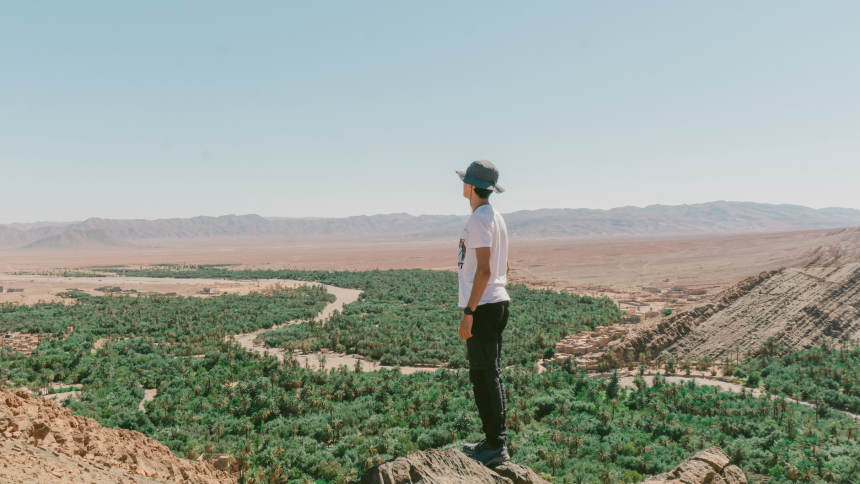
Most first trips revolve around three or four stops rather than an exhaustive tour of the whole country. A common route runs Marrakech to the Atlas Mountains, down to the Sahara near Merzouga, then back through the Dades Valley, which covers desert, mountains, and city life in about 7 to 10 days.
Fez is worth adding if there's time, since its medina is larger and arguably better preserved than Marrakech's, with over 9,000 narrow streets and almost no cars. Chefchaouen, the blue-painted mountain town, pulls many travelers north, though it adds a few extra days of driving. Trying to fit in Marrakech, Fez, the desert, and the coast in under a week usually means too much time in transit and not enough time anywhere.
Figure Out Transportation
Morocco's train network, run by ONCF, connects Casablanca, Rabat, Fez, Marrakech, and Tangier comfortably and cheaply, with first-class tickets rarely exceeding $20. For anywhere off that rail line, including the desert and the Atlas Mountains, you'll need a car, a driver, or an organized tour.
Renting a car gives flexibility but comes with real challenges: mountain roads with few guardrails, aggressive driving norms in cities, and spotty signage in rural areas. Many first-time visitors find it easier to hire a private driver for multi-day routes or join small group tours to Morocco that already have transportation, guides, and accommodations built into the itinerary. This removes a lot of the guesswork around navigating unfamiliar roads and lets you focus on the places themselves rather than logistics.
Sort Out Money and Costs
The Moroccan dirham isn't easily available outside the country, so plan to exchange money or withdraw cash after arrival rather than before. ATMs are widely available in cities and charge reasonable fees, usually under $5 per withdrawal, and nearly every major bank card works.
Cash is still king in the medinas, souks, and smaller restaurants, so carry enough for daily spending. Budget travelers can get by on $40 to $60 a day covering modest riads, street food, and local transport, while a more comfortable trip with guided excursions and nicer accommodations runs closer to $100 to $150 a day. Bargaining is expected in souks, where starting offers are often two to three times the final price.
Pack for Variable Climates and Cultural Norms
Layers matter more than any single item, since mornings in the desert can be near freezing while afternoons climb into the 80s. A warm jacket, a scarf, and sturdy walking shoes handle most situations, from cobblestone medinas to sandy dunes.
Modest dress is appreciated in Morocco, particularly outside beach towns and upscale riads. Shoulders and knees covered go a long way toward blending in and showing respect, especially when visiting mosques, which are generally closed to non-Muslim visitors except for a few, like Hassan II Mosque in Casablanca.
Know Basic Etiquette Before You Arrive
Greetings matter in Moroccan culture, and a simple "salam" or "bonjour" before launching into a question or request is noticed and appreciated. French is widely spoken alongside Arabic, especially in cities, so a few basic French phrases go further than English in most situations.
Hospitality runs deep, and declining mint tea when offered can come across as rude, even in a shop with no intention of buying anything. Photographing people, particularly women, without asking first is considered intrusive, so a quick gesture or question beforehand smooths things over.
Book Accommodations With the Medina in Mind
Riads, traditional homes built around a central courtyard, offer a different experience than standard hotels and often cost less than expected, with many available for $40 to $80 a night including breakfast. Staying inside the medina walls means walking distance to markets and sites, but it also means navigating narrow alleys that confuse GPS and even locals sometimes.
Booking a riad that offers airport pickup or a staff member to guide you in on the first night removes a major source of first-trip stress. Addresses alone rarely get you to the door in the older parts of these cities.
The real key to a smooth first trip to Morocco isn't memorizing every site in advance. It's building in enough flexibility, and enough local help, that getting slightly lost in a medina or stuck behind a slow mountain road feels like part of the adventure rather than a crisis.