


A long-haul trip can easily become stressful because of unforeseen breakdowns, roadblocks, or mechanical problems that derail your schedule. Even a minor problem with your truck can lead to costly delays and put your safety at risk. These difficulties are even harder to overcome when you must travel through unfamiliar places or cope with unstable weather conditions.
- 1. Inspect Tires for Proper Inflation and Tread
- 2. Test Brakes and Their Components
- 3. Check Engine Oil and Other Fluid Levels
- 4. Examine Lights, Battery, and Electrical Systems
- 5. Check Mirrors, Windshield, and Wipers
- 6. Review Fuel Levels and Plan Refueling Stops
- 7. Secure Cargo and Prepare Emergency Equipment
- 8. Plan Your Route, Weather, Parking, and Driving Schedule
- Conclusion
This is the reason why it is always important to prepare before each trip. A thorough pre-trip inspection helps you identify potential problems, plan fuel stops, and prepare for unexpected situations. Following Truck Driver News can help you stay informed about trucking industry developments, road conditions, and safety updates that may affect your journey.
Here are eight essential checks to help you prepare for a safer and smoother long-haul journey.
1. Inspect Tires for Proper Inflation and Tread
Tire problems can affect your truck’s handling, fuel efficiency, and overall road safety. Therefore, checking tire condition should be one of your first priorities before departure. You can also stay updated on trucker news like vehicle recalls, tire safety, and inspection necessities through trusted sources such as Truck Driver News. This is information that can assist you in identifying risks that may occur on your trip.
Begin by checking the tires of the vehicle to see whether they are cut, cracked, bulged, or worn out. Check pressure with a good pressure gauge to ensure that there is a match with the recommendations of the manufacture.
In addition, check the tires of the trailer since damage or poor inflation may influence vehicle stability. If you notice unusual wear, repeated pressure loss, or visible damage, arrange for a professional inspection before leaving.
2. Test Brakes and Their Components
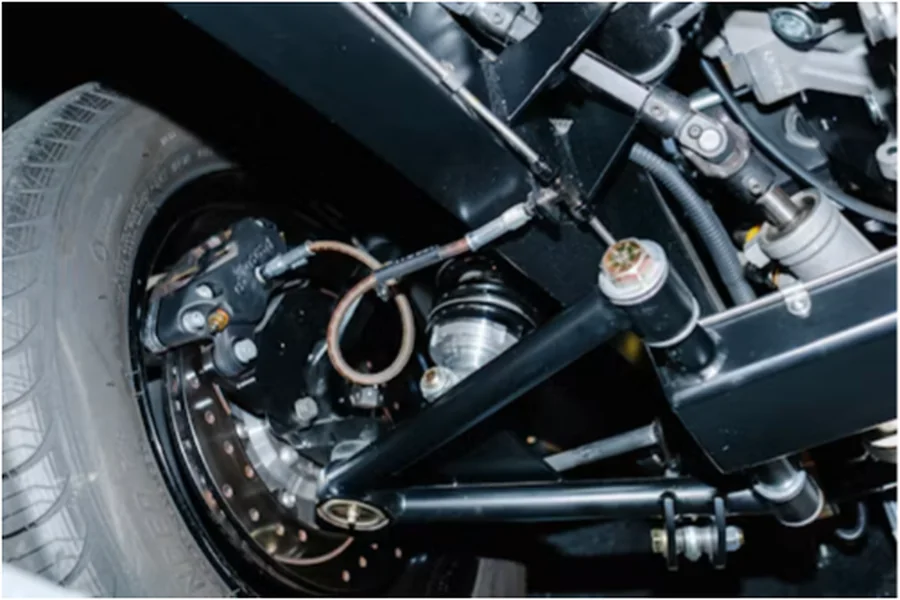
The braking system should be properly operating to enable you to control a loaded truck, especially in heavy traffic, on steep roads, or during sudden stops. A minor brake malfunction can raise a safety issue during a long haul.
Check the brake linings, drums, hoses, and connections to ensure that there is no visible damage or excessive wear. When you have air brakes, inspect the airlines to ensure they are free of leakage and make sure that the system is operating at the necessary pressure.

When testing brakes, pay attention to the dashboard warnings and strange sounds. Brake safety inspections also receive attention during industry safety campaigns. Truck Driver News can also help you stay informed about vehicle safety campaigns, inspection priorities, and common compliance challenges across the trucking industry.
3. Check Engine Oil and Other Fluid Levels
The engine and mechanical systems of your truck require enough fluids to perform well. Prior to departure, test engine oil with a dipstick and examine it for any abnormal discoloration or contamination. Then check the coolant, transmission fluid, power steering fluid, and windshield washer fluid.
These levels should be checked following the guidelines of your vehicle manufacturer, as various systems might need certain steps. In addition, check under the truck to detect new fluid leaks. Even a minor leak may turn into a mechanical issue on a long trip.
When you suddenly feel that there is a shortage of fluid or when there is a strange odor, have the problem examined before getting on the highway.
4. Examine Lights, Battery, and Electrical Systems

The electrical systems in your truck facilitate some very important tasks such as visibility, starting, and communication. Thus, inspect the headlights, taillights, brake lights, turn signals, clearance lights, and hazard lights prior to taking off. Ask someone to help you confirm that all exterior lights work correctly.
Then, check the battery terminals to see whether they are corroded and the cables to see whether they are loose or damaged. If your truck has been slow to start, it is possible to have the battery tested.
Another thing to take note of is dashboard warning lights, and make sure that necessary electrical equipment is in order. These problems can be resolved in advance to avoid pointless interruptions on the road.
5. Check Mirrors, Windshield, and Wipers
Having a clear view assists you in responding to other road traffic, changing weather, and other emergency road situations. Begin by washing your windshield and mirrors to clear off dirt and dust and any other distractions.

Then inspect the windshield to see whether it contains cracks or chips that may get in your way. Check the condition of the wiper blades and check their operation at various speeds. Also, test the washer system by ensuring that it sprays correctly.
Before driving away, adjust your mirrors to reduce blind spots and have a clear view of other cars. These checks are particularly required during lane changes, reversing, and traffic jams.
6. Review Fuel Levels and Plan Refueling Stops

It is crucial to plan fuel in the event you travel over a long distance in uncharted territory. Running out of diesel in an isolated area will interfere with your schedule and make you scout around to find a truck stop.
Before leaving, make sure that you have checked the fuel level and calculated how much you will need to cover the distance you have planned. Check the fuel tanks, caps, connections, and exposed fuel lines against leakage or damage.
In addition, use the recommendations of the manufacturer regarding the quality of fuel and cold weather preparation. Prices of fuel may differ among states and regions. Therefore, follow relevant trucker news and fuel price updates to identify cost-effective refueling locations.
Confirm the availability of planned stops that provide appropriate parking, toilets, and easy access for commercial vehicles. Truck Driver News also provides updates on diesel price movements and fuel-related industry developments, helping you stay informed when planning long-distance routes.
7. Secure Cargo and Prepare Emergency Equipment
Security of cargo influences the stability of your truck and other road users. Prior to loading, ensure that the load is balanced and secured using the right straps, chains, and tie-down equipment. Check these securement materials against damage and ensure that the cargo does not move in case of sudden braking or turns.
Additionally, ensure that the load is not blocking your mirrors or vehicle controls. Then, inspect your emergency supplies. Have a fire extinguisher, warning triangles, reflective safety gear, first aid kit, flashlight, and basic tools on hand. With the change of route and season, also have appropriate cold-weather gear.

8. Plan Your Route, Weather, Parking, and Driving Schedule
The route should be planned so that you may not spend much time on unnecessary delays and be ready to cope with the changing road conditions. Prior to leaving, make sure that you check out highway closures, construction areas, traffic limits, and alternative routes that commercial vehicles can use.
Weather conditions should also be taken into consideration. Strong winds, fog, snow, and heavy rain can influence visibility and handling of the vehicle. Check predictions for the regions you will pass through and revise your plans for travelling where you need to.
Another factor that should be taken into consideration during long hauls is parking. Determine appropriate parking areas for trucks on your route, especially in areas with scheduled rest and sleeping places. You can follow Truck Driver News for updates on truck parking developments, road closures, and changing travel conditions that may affect your planned route.
Lastly, inspect your Hours of Service (HOS) records, electronic logging device (ELD), commercial driver’s license, registration, insurance, and needed shipping documents. Make sure your schedule includes the necessary rest periods and complies with applicable regulations.
Conclusion
An effective long-distance trip begins with proper planning. Inspecting your tires, brakes, liquids, electricals, and cargo can allow you to detect issues before they disrupt your journey. But the inspection of vehicles is not the only part of it. You also need to watch the prices of fuel, parking projects, the state of the roads, and changes in regulations.
Following Truck Driver News alongside your regular pre-trip routine can help you make informed decisions about road conditions, fuel stops, parking, and changing regulations. By making regular inspections and making smart decisions beforehand, it is possible to minimize unnecessary delays, deal with unforeseen issues, and arrive at your destination safely.