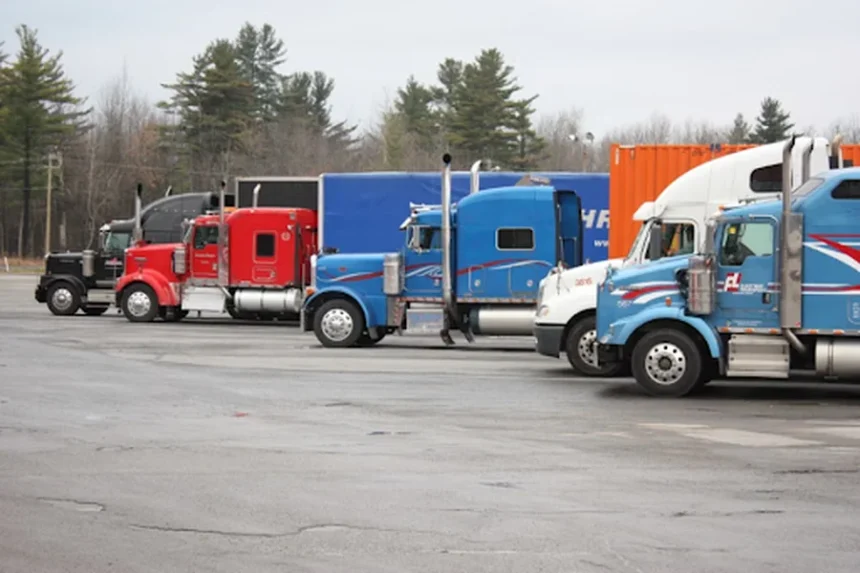
Every OTR driver has experienced it. The sky turns a strange shade of gray, the radio crackles with warnings, and the load still needs to arrive on time. Severe weather does not respect delivery windows.
- 1. Stay Current with OTR Driver News and Alerts
- 2. Check Detailed Forecasts Along the Entire Route
- 3. Know Road Closures, Chain Laws, and Restrictions
- 4. Plan Safe Parking and Rest Stops Early
- 5. Adjust Your Schedule and Speed Realistically
- 6. Inspect Your Truck and Pack Emergency Supplies
- 7. Communicate With Dispatch and Know When to Stop
- Conclusion
However, a smart plan can keep you safe, legal, and profitable when storms roll through. Winter ice, summer thunderstorms, high winds, and sudden flooding all pose a real threat on the road. Weather, in fact, contributes to about one in five of all crashes nationwide.
That is why route planning is important before you even start the engine. Rather than responding to danger, you can stay a step ahead of it. In this article, we will go through some of the most important factors that OTR drivers need to consider when mapping a trip through rough conditions.
1. Stay Current with OTR Driver News and Alerts
The first step is to make OTR driver news part of your daily routine. Trucking outlets, state transportation agencies, and driver-focused apps provide frequent early warnings of storms, closures, and new regulations.
If, for instance, an OTR driver news report about a blizzard closing a mountain pass can save you hours of waiting. Similarly, changes in hours-of-service relief during declared emergencies can alter your plans for the day.
Meanwhile, trusted groups on social media and CB channels provide live reports from drivers who are out on the road. Since conditions change rapidly, make sure to consult the latest OTR driver news before leaving and at every stop. This way, you will not be caught by a closure 10 miles ahead.

2. Check Detailed Forecasts Along the Entire Route
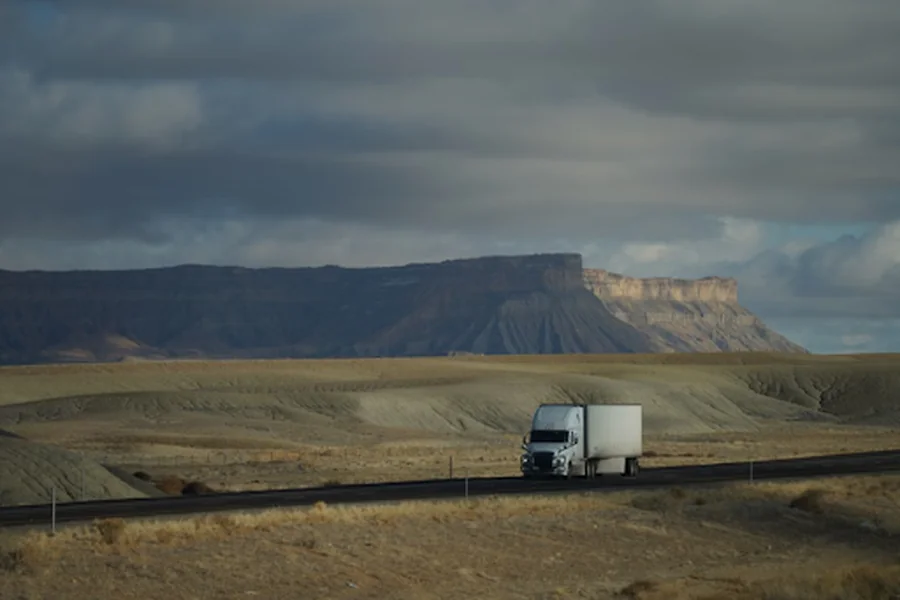
Next, consider more than the weather at your starting point. If freezing rain waits in Oklahoma, a clear morning in Texas means little. So, check the forecasts for each leg of your journey, including timings. The National Weather Service provides free, detailed maps and alerts.
Also, watch the wind speed because gusts can cause empty or lightly loaded trailers to tip over. Be alert for fog, black ice, and heavy rain, too. If you have an idea where the trouble spots are, you can schedule your drive to avoid the worst of it. Sometimes, leaving two hours earlier or later can make all the difference.
3. Know Road Closures, Chain Laws, and Restrictions
In the meantime, don’t neglect local rules. During a winter storm, some states mandate chains on specific mountain streets. Some also restrict movement of trucks when wind speeds are too high. For example, some bridges close during storms for large vehicles.
State 511 systems & DOT websites post closures, restrictions, and camera views. Monitor them frequently as conditions may change in minutes. Additionally, always bring the appropriate chains and know how to put them on before you require them. It is better to learn in a dry lot than on a snowy shoulder at night. As a result, you will remain compliant and prevent expensive fines.
4. Plan Safe Parking and Rest Stops Early
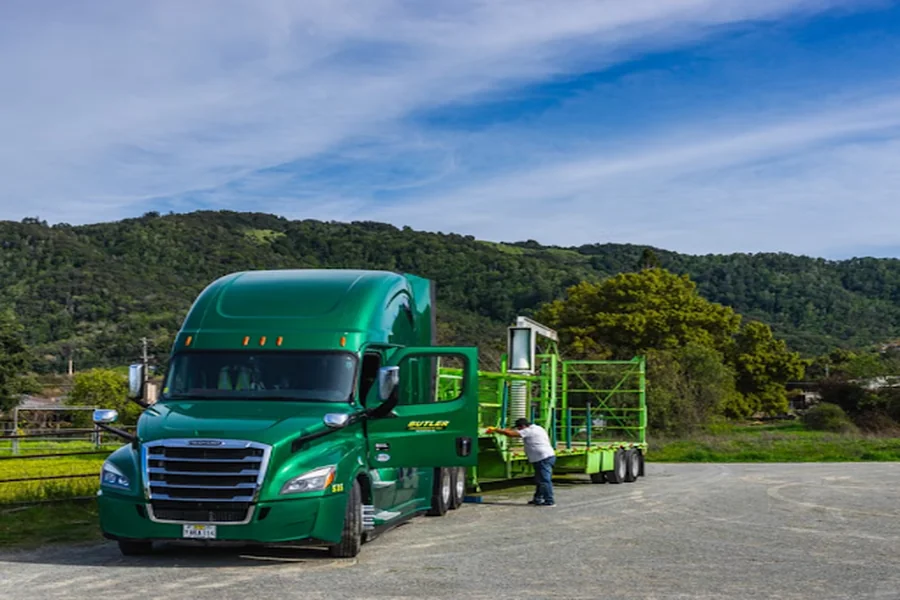

Safe parking is a greater problem than many drivers realize. Truck stops and rest areas become crowded during the storm. As a result, you may run out of legal driving hours with nowhere to go. To avoid this, select multiple alternate stops along your route.
Use a parking app to check availability in real time. Then, decide ahead of time where you will stop if conditions worsen. It’s also wise to avoid parking on narrow shoulders or exit ramps. These spots are dangerous in low visibility. A well-planned stop keeps you rested, protected, and ready to roll when the weather clears.
5. Adjust Your Schedule and Speed Realistically
Of course, deadlines matter, but safety matters more. Rain, snow, and ice all increase stopping distances. Because of this, you should slow down and leave extra space between you and other vehicles. Build buffer time into your schedule so you aren’t tempted to rush.
Additionally, talk with your dispatcher early if delays look likely. Most customers would rather receive a late load than deal with a wreck. Remember, a few lost hours are easy to recover from. A serious crash, on the other hand, can end a career. Smooth braking and steady steering also help you keep control on slick roads.
6. Inspect Your Truck and Pack Emergency Supplies

Before heading into bad weather, give your rig a thorough check. Look closely at tires, brakes, wipers, lights, and defrosters. Also, make sure your fluids are full, and your fuel tank is well stocked. A gelled fuel line in freezing temperatures can leave you stranded fast.

In addition, pack an emergency kit with blankets, water, snacks, a flashlight, a first aid kit, and a phone charger. Warm clothes and sturdy boots are smart additions too. If you break down, these items could keep you comfortable until help arrives. Preparation takes little time, yet it pays off enormously.
7. Communicate With Dispatch and Know When to Stop
Finally, keep the lines of communication open. Let your dispatcher know about weather conditions, closures, and any change of plans. In turn, they can help adjust delivery windows and suggest alternate routes. Moreover, share your location with a trusted contact during long storm drives.
Most importantly, trust your instincts. If visibility drops or the road turns icy, find a safe place and stop. No load is worth risking your life or others on the road. Pulling over early is a sign of experience, not weakness. Good drivers know when to push forward and when to wait.
Conclusion
Planning a route through severe weather takes more than a quick look at the forecast. Start with current OTR driver news, then check conditions along your whole route. Next, learn local restrictions, secure safe parking, and give yourself realistic time.
Also, inspect your truck, pack emergency supplies, and stay in touch with dispatch. Together, these steps reduce stress and lower your risk on every trip. Above all, remember that safety always comes first. With careful planning and good judgment, you can handle whatever the weather throws at you and get home safely.