


Let’s be honest. If you were a college student in India around 2008 or 2009 and we all know how Savita Bhabhi famous between among us, in free time with collage canteens and hostal sometimes we all discussing one topic that include Savita Bhabhi, you knew the URL. You didn’t talk about it at the dinner table, and you certainly didn’t mention it to your parents, but you knew it.
We are talking about Savita Bhabhi—the saree-clad, fictional housewife who became, arguably, India’s most recognized “celebrity” for a solid two years.
In my two decades of covering entertainment and pop culture, I have seen scandals. I have seen MMS leaks, Twitter wars, and Bollywood boycotts. But nothing—and I mean nothing—compares to the sheer absurdity of the Savita Bhabhi controversy.
Why? Because she wasn’t real.
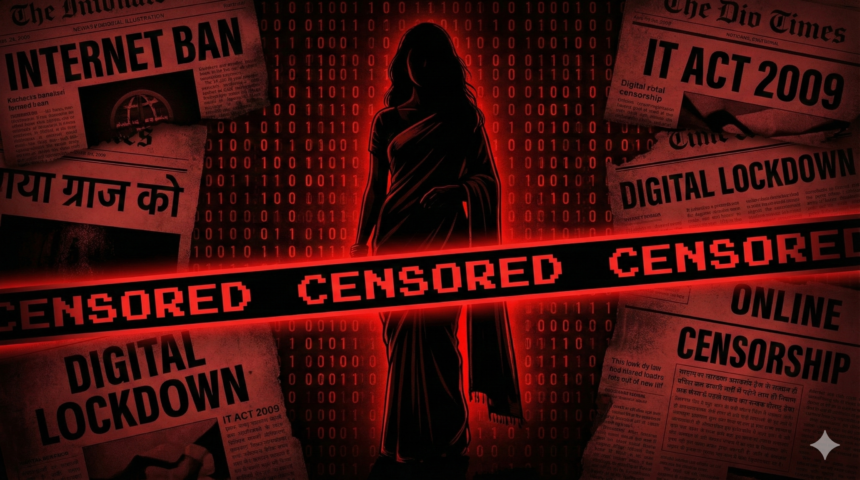
The Indian government, in a move that baffled legal experts and thrilled news anchors, practically declared war on a PDF file. The controversy wasn’t just about “adult content”; it was the first major battleground for Internet Censorship in India.
If you think this is just a story about a dirty comic and erotic story, you are missing the point. This is the story of how a fictional character exposed the massive hypocrisy of Indian morality laws. Here is the untold breakdown of the scandal that changed the Indian internet forever.
The Core Analysis: Why It Was Never About the “Art”
In 2009, the Indian Department of Telecommunications (DoT) issued an order to all Internet Service Providers (ISPs) to block the Savita Bhabhi website.
The Unique Angle:
Most people think it was banned because it was “pornographic.”and “erotic content” In my experience analyzing Section 67 of the IT Act, that is only half the truth. The internet was full of adult content in 2009. Why single her out?
Because she was “Too Indian.”

The character wasn’t a Western import. She was relatable. She wore a saree, dealt with nosy neighbors, and lived in a middle-class household. This “cultural proximity” terrified the moral police. It blurred the line between “foreign filth” (which they ignored) and “domestic corruption” (which they attacked). The controversy wasn’t about sex; it was about the Indianization of sexual expression online.
The Rise, The Ban, and The “Streisand Effect”
Let’s trace how a simple comic strip turned into a national legal debate.
The “Puneet Agarwal” Factor
For the longest time, the creator was anonymous. We later learned it was Puneet Agarwal, a London-based businessman. He didn’t create it in a basement; he ran it like a startup. He hired professional artists, writers, and colorists.
- The Shock: When the media realized this wasn’t a sleazy underground operation but a legitimate business model with subscriptions, the narrative shifted. It became an issue of “Commerce vs. Morality.”
The Ban That Backfired
When the government banned the site in June 2009, they inadvertently triggered the Streisand Effect.
- Before the Ban: It was a niche comic for a specific audience.
- After the Ban: It was front-page news. “Save Savita” campaigns launched. People who had never read a comic in their lives were suddenly Googling her name to see what the fuss was about.
In my opinion, the ban was the best PR campaign Puneet Agarwal never paid for. Traffic didn’t drop; it just moved to proxies and torrents.
The “Moral Panic” of 2009
I remember news debates where panelists screamed that this character was “destroying family values.” It highlighted a generational clash. The older generation saw it as an attack on the Bhartiya Nari (Indian Woman) image. The younger generation saw it as freedom of expression.
Comparison: The Era of Savita (2009) vs. The Era of OTT (2026)
It is fascinating to see how far we have come (or haven’t).
| Feature | The Savita Era (2009) | The OTT Era (2026) |
| The Medium | Static Comics / PDFs | 4K Video Series / Web Shows |
| The Censorship | Direct Ban: ISPs blocked the URL. | Self-Regulation: Platforms edit content to avoid lawsuits. |
| Legal Weapon | Section 67 (IT Act) – Obscenity | New Broadcast Bill & OTT Guidelines |
| Public Reaction | Shock & Hushed Whispers | “Binge-Watch” & Memes |
| The Outcome | Forced Underground | Mainstream (but heavily policed) |
My Take:
The government realized that banning a specific URL is like playing Whac-A-Mole. Today, they don’t ban the site; they pressure the platforms (Netflix, Prime, Jio) to sanitize the content before it even airs. The methods have changed, but the anxiety remains the same.
Insider Tips: The Details Most People Miss
If you dig deep into this controversy, you find some fascinating legal and cultural nuggets.

1. The “Animated Movie” Loophole
Did you know they made a movie? In an attempt to bypass the comic ban, an animated film was produced. The logic was: “You banned the website, not the film.” It was a clever attempt to pivot mediums, proving that digital content is fluid and hard to pin down legally.
2. The “Bhabhi” Genre Explosion
Savita didn’t just exist in a vacuum; she created a genre. Search for “Indian web series” today, and you will see hundreds of titles trying to replicate that specific “forbidden fruit” vibe. She was the patient zero for the Desi adult content industry that now thrives on various OTT apps.
3. The Hypocrisy of “Section 67”
Here is a legal tidbit: Section 67 of the IT Act punishes publishing “obscene” material. But “obscenity” is vaguely defined. The controversy highlighted that Indian law treats text/drawings differently from video. A drawing of a fictional character faced more wrath than actual exploitative content, simply because it was popular.
FAQ: The Questions You Are Too Embarrassed to Ask
Q1: Is it illegal to view the comic in India?
Technically, consuming (viewing) adult content in private is not illegal in India. The law (Section 67) primarily targets the publication and transmission of such material. However, accessing banned websites via proxies can sometimes fall into legal grey areas depending on ISP rules.
Q2: Who was the real creator?
The character was created by Puneet Agarwal, who famously revealed his identity later. He argued that the comic was satire and erotica, intended for consenting adults, not children.

Q3: Why was it specifically banned?
The Ministry of Telecommunications invoked the IT Act, citing that the content was “lascivious and appealed to prurient interests.” The main driver was the depiction of an Indian housewife, which authorities felt degraded the cultural status of women.
Q4: Did the “Save Savita” campaign work?
Legally? No. The ban stayed. Culturally? Yes. It sparked a massive debate on internet freedom, leading to more scrutiny on how the government blocks websites.
Q5: Is the website still active?
The original domain that was banned in 2009 is part of internet history. However, the character’s IP has been sold, resold, and pirated so many times that “official” status is murky. The legacy lives on through clones, but the original empire was dismantled in India.
The Final Verdict
The Savita Bhabhi controversy was never really about a comic strip. It was a mirror.
It showed us that India was ready for the internet age technologically, but perhaps not culturally. It exposed the tension between a society that consumes more adult content than almost anyone else in the world (according to Pornhub stats) and a government that wants to pretend it doesn’t exist.
So, the next time you see a “bold” scene in a web series or read about a new OTT censorship law, remember the saree-clad cartoon who took the first bullet. She walked so the OTT platforms could run.