



By a Crime Historian & Film Analyst
- Biographical Data Table: The Lords of Lyari
- Rahman Dakait: The Boy Who Killed His Mother
- The Rise of the “Robin Hood”
- Donga: The Mystery of the Faithful Dog
- The Gang War: Rahman vs. Arshad Pappu
- The End of an Era: The Encounter
- Analyzing Akshaye Khanna’s Portrayal
- Current Status & Legacy
- Frequently Asked Questions (FAQ)
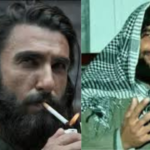
If you have watched Aditya Dhar’s Dhurandhar, you likely walked out of the theater haunted by two things: the chilling silence of Rahman Dakait (played by Akshaye Khanna) and the ferocious loyalty of his right-hand man, Donga (played by Naveen Kaushik). While the movie is a spy thriller, the backdrop—the blood-soaked streets of Lyari, Karachi—is terrifyingly real.
This isn’t just a movie review; it is a deep dive into the archives of the Karachi underworld. Who was the real Rahman Dakait? Was Donga a real person, or a cinematic invention? Here is the unvarnished truth about the “Robin Hood of Lyari” and the brutal gang wars that inspired the blockbuster.
Biographical Data Table: The Lords of Lyari
| Attribute | Rahman Dakait (Real Life) | Donga (Reel/Real Inspiration) |
| Full Name | Sardar Abdul Rehman Baloch | Unknown/Fictionalized (Screen Name: Donga) |
| Nickname(s) | Rahman Bhai, Khan Bhai, The Don of Lyari | Donga (The Bowl/Vessel) |
| Date of Birth | 1980 | N/A |
| Place of Birth | Lyari, Karachi, Pakistan | Karachi, Pakistan (Narrative) |
| Nationality | Pakistani | Pakistani |
| Family Background | Father: Dadal Baloch (Gangster) Alleged Father: Iqbal Babu Dakait Mother: Khadija Bibi (Whom he allegedly killed) | Portrayed as an orphan or street-level enforcer adopted into the gang. |
| Early Life | Dropped out of school; joined the underworld at a young age amidst turf wars. | Street thug rose to become the most trusted lieutenant. |
| Career Start | Started with kidnapping and drug peddling in the 1990s under Haji Lalu. | Joined Rahman’s gang as a foot soldier; rose through loyalty. |
| Key Achievements | Founded the Peoples’ Aman Committee (PAC); Controlled Lyari’s politics and drug trade. | The climatic “Last Stand” against the police to save Rahman (Movie). |
| Notable Works | Running a parallel government in Lyari; Social work (schools/hospitals) funded by crime. | Dhurandhar (2025) depicts his loyalty. |
| Professional Roles | Gang Lord, Political Kingmaker, Philanthropist (alleged). | Enforcer, Bodyguard, Right-Hand Man. |
| Net Worth | Billions in drug money (Illegal wealth distributed locally). | N/A |
| Public Image | Robin Hood to locals; Butcher to the police and rivals. | A symbol of blind, unwavering loyalty. |
| Controversies | Killing his own mother at age 15; Beheading rivals and playing football with heads (Urban Legend/Fact). | Using grenades against police in a suicide stand. |
| Legacy | His death sparked the rise of Uzair Baloch and the destruction of Lyari. | Became a fan-favorite character for his selfless sacrifice. |
| Current Status | Killed in a Police Encounter (Aug 9, 2009) by Chaudhry Aslam. | Killed in action (Movie Narrative). |
Rahman Dakait: The Boy Who Killed His Mother
To understand the monster, you must look at his childhood. Sardar Abdul Rehman Baloch was born in 1980 in the chaotic slums of Lyari. But he wasn’t born into poverty; he was born into a legacy of crime. His father, Dadal, and uncle, Sheru, were the original drug lords of the area.
The Origin of Evil:
Rahman’s entry into the world of crime wasn’t gradual; it was explosive. Police records and local lore confirm a chilling fact: at the tender age of 15, Rahman Dakait committed his first murder. The victim? His own mother.
Rumors in Lyari suggest a Shakespearean tragedy behind this act. It is said Rahman went to kill a rival gangster, Babu Dakait, who shocked him by claiming to be his biological father and alleging an affair with his mother. Enraged and humiliated, the teenage Rahman returned home and pulled the trigger on the woman who gave him birth. This act severed his tie to humanity. He didn’t just become a gangster; he became a ghost who feared nothing.
The Rise of the “Robin Hood”
Rahman wasn’t just a thug; he was a CEO of Crime. He realized early on that guns bring fear, but money brings loyalty.
The Peoples’ Aman Committee (PAC):
He founded the PAC, ostensibly a welfare organization. He built schools, paved roads, and paid for weddings in Lyari. To the neglected Baloch people of the slum, he was a savior. He filled the vacuum left by the state. If you had a problem, you didn’t go to the police; you went to Rahman Bhai.

The Urban Legend:
The movie Dhurandhar depicts scenes of brutality, but reality was often worse. During the gang war with his rival Arshad Pappu (the son of his mentor Haji Lalu), the violence reached medieval levels. Stories—some verified, some legendary—speak of gangsters playing football with the severed heads of their rivals. Rahman turned Lyari into a fortress where the police dared not enter without an army.
Donga: The Mystery of the Faithful Dog
In Dhurandhar, the character Donga steals the show. Played brilliantly by Naveen Kaushik, Donga is the silent, brooding shadow of Rahman Dakait. But was he real?
Real vs. Reel:
While “Rahman Dakait” is a direct historical figure, Donga is likely a composite character. In the complex hierarchy of the Lyari gangs, Rahman had several lieutenants.
- The Real Lieutenants: His key men were Baba Ladla (his chief operational commander) and Uzair Baloch (his cousin and successor).
- The “Donga” Archetype: Donga represents the foot soldiers of Lyari—young men with no future who found purpose in serving a warlord. The name “Donga” (meaning ‘bowl’ or ‘vessel’ in Punjabi) was reportedly a nickname given by the director because the character was “round” or perhaps “empty” until filled with Rahman’s orders.
Why Donga Matters:
In the movie, Donga’s death scene—holding off an entire police battalion with grenades to let Rahman escape—is cinematic gold. In real life, Rahman’s men were known for this exact brand of suicidal loyalty. They fought with rocket launchers (RPGs) in the narrow alleys of Karachi, turning the slum into a war zone that resembled Syria more than South Asia.
The Gang War: Rahman vs. Arshad Pappu
The conflict that defined Rahman’s life was his war with Arshad Pappu. They were once childhood friends, sons of partners. But greed is a sharp knife.
When Rahman’s mentor, Haji Lalu, sidelined him, Rahman broke away. The resulting war killed hundreds. It wasn’t just business; it was personal. They kidnapped each other’s men, torched houses, and turned the streets red.
The Climax: Arshad Pappu was eventually captured by Rahman’s successor, Uzair Baloch. In a gruesome act of vengeance (post-Rahman’s death), Pappu was tortured, beheaded, and his head was indeed paraded—a grim fulfillment of the violent culture Rahman had cultivated.

The End of an Era: The Encounter
Every king must fall. For Rahman, the end came in the form of SP Chaudhry Aslam Khan (played by Sanjay Dutt in the movie).
On August 9, 2009, the news broke: Rahman Dakait was dead.
The police claimed it was a shootout in Steel Town. Rahman’s family and supporters claimed he was arrested, tortured, and executed in a fake encounter. The truth died with him.
His death plunged Karachi into chaos. Instead of peace, it birthed a hydra. His cousin Uzair Baloch took over, and the violence escalated, dragging political parties like the PPP into the muck. Rahman’s funeral was attended by thousands, proving that in Lyari, he was more than a gangster; he was a phenomenon.
Analyzing Akshaye Khanna’s Portrayal
In Dhurandhar, Akshaye Khanna doesn’t play a caricature; he plays a silence.
- The Slap Scene: One of the most talked-about scenes is when Rahman’s wife, Ulfat (played by Saumya Tandon), slaps him seven times. He stands like a statue. This humanizes the monster. It shows that the man who ruled a city couldn’t rule his own home.
- Method Acting: Reports suggest Akshaye Khanna stayed in character throughout the shoot, maintaining a menacing silence that unnerved even the crew. He captured the duality of Rahman—the refined, almost philosophical calmness masking a volatile, murderous rage.
Current Status & Legacy
Rahman Dakait is dead, but Lyari still bears his scars.
- The Family: His son, Naieem Baloch, and others have tried to distance themselves from the violence, though the shadow of the surname is long.
- The Successor: Uzair Baloch is currently in custody, facing military court trials for espionage and murder.
- The City: Karachi has quieted down since the Rangers operation, but the legend of Rahman Dakait lives on in the bullet holes on the walls of Lyari and now, on the silver screen.
Frequently Asked Questions (FAQ)
Q1: Was Donga a real person in the Lyari Gang War?
A: No, “Donga” appears to be a fictional composite character created for the movie Dhurandhar. He represents the fiercely loyal lieutenants of Rahman Dakait, such as Baba Ladla or other high-ranking enforcers, but the specific name and character arc are cinematic inventions.
Q2: Did Rahman Dakait really kill his mother?
A: Yes, according to Sindh police records and widespread local accounts, Rahman Dakait killed his mother in 1995. The alleged motive was a dispute over his parentage and her suspected affair with a rival gangster.

Q3: How did the real Rahman Dakait die?
A: He was killed on August 9, 2009, in a police encounter led by SP Chaudhry Aslam Khan. While the police termed it a shootout, his supporters have always maintained it was a custodial killing (fake encounter).
Q4: Who plays Rahman Dakait and Donga in the movie Dhurandhar?
A: Rahman Dakait is played by Akshaye Khanna, and Donga is played by Naveen Kaushik.
Q5: What was the “football with heads” incident?
A: This is a gruesome event associated with the Lyari gang wars. It most famously occurred after Rahman’s death, involving his rival Arshad Pappu, who was killed by Uzair Baloch’s gang. Reports state the gangsters played football with Pappu’s severed head, a story that highlights the savagery of that era.